Education, Communication & Collaboration
Strengthening knowledge exchange between researchers, healthcare professionals, patients, and society.
- Public engagement
- Professional education
- Collaborative networks



Advances in research and treatment have improved outcomes for many women, but inequalities in prevention, diagnosis, care, and survivorship still affect millions of patients and families. CIRCE brings together research, healthcare, and lived experience to better understand these challenges and improve cancer care through collaboration, equity, and interdisciplinary research.

The Center for Interdisciplinary Research on Cancer and Equity in Women (CIRCE) brings together researchers across oncology, genomics, epidemiology, psychology, social sciences, public health, health economics, and data science to advance women’s cancer research.
By connecting biological, clinical, and societal perspectives, CIRCE works to improve cancer prevention, risk prediction, early detection, treatment outcomes, survivorship, and equity in cancer care. Through collaboration across Lund University and Skåne University Hospital Comprehensive Cancer Centre, CIRCE creates a unique environment for interdisciplinary and transdisciplinary research focused on the real-world challenges faced by women affected by cancer.

CIRCE conducts interdisciplinary research across the full continuum of women’s cancer prevention, diagnosis, treatment, survivorship, rehabilitation, and palliative care.
Our research integrates biological, clinical, psychological, demographic, and societal perspectives to better understand cancer risk, improve outcomes, and reduce inequalities in care.
CIRCE’s work is organized into interconnected research areas and workstreams designed to foster collaboration across disciplines and accelerate translation from research to real-world impact

Women’s cancers are increasing in incidence and remain a major cause of illness and death worldwide. Yet important questions about cancer risk, prevention, treatment response, survivorship, and health inequalities remain unanswered.
CIRCE has formally launched its first cross-disciplinary research collaborations, bringing together experts in oncology, public health, psychology, imaging, and health economics. The initiative focuses on improving prevention, treatment, and quality of life in women’s cancer through integrated research and long-term collaboration between academia, healthcare, and society.
Continue reading →
CIRCE is expanding its collaboration with patient advocates and community organisations to strengthen dialogue around women’s cancer and survivorship. These partnerships will help shape future research priorities, improve accessibility of information, and ensure that patient experiences remain central to the centre’s ongoing work and communication efforts.
Continue reading →

A new CIRCE-led initiative will examine how social and economic factors influence access to cancer screening, diagnosis, and treatment. By combining registry data, clinical research, and population studies, the project aims to identify barriers within the healthcare system and contribute to more equitable outcomes for women across different backgrounds and regions.
Continue reading →
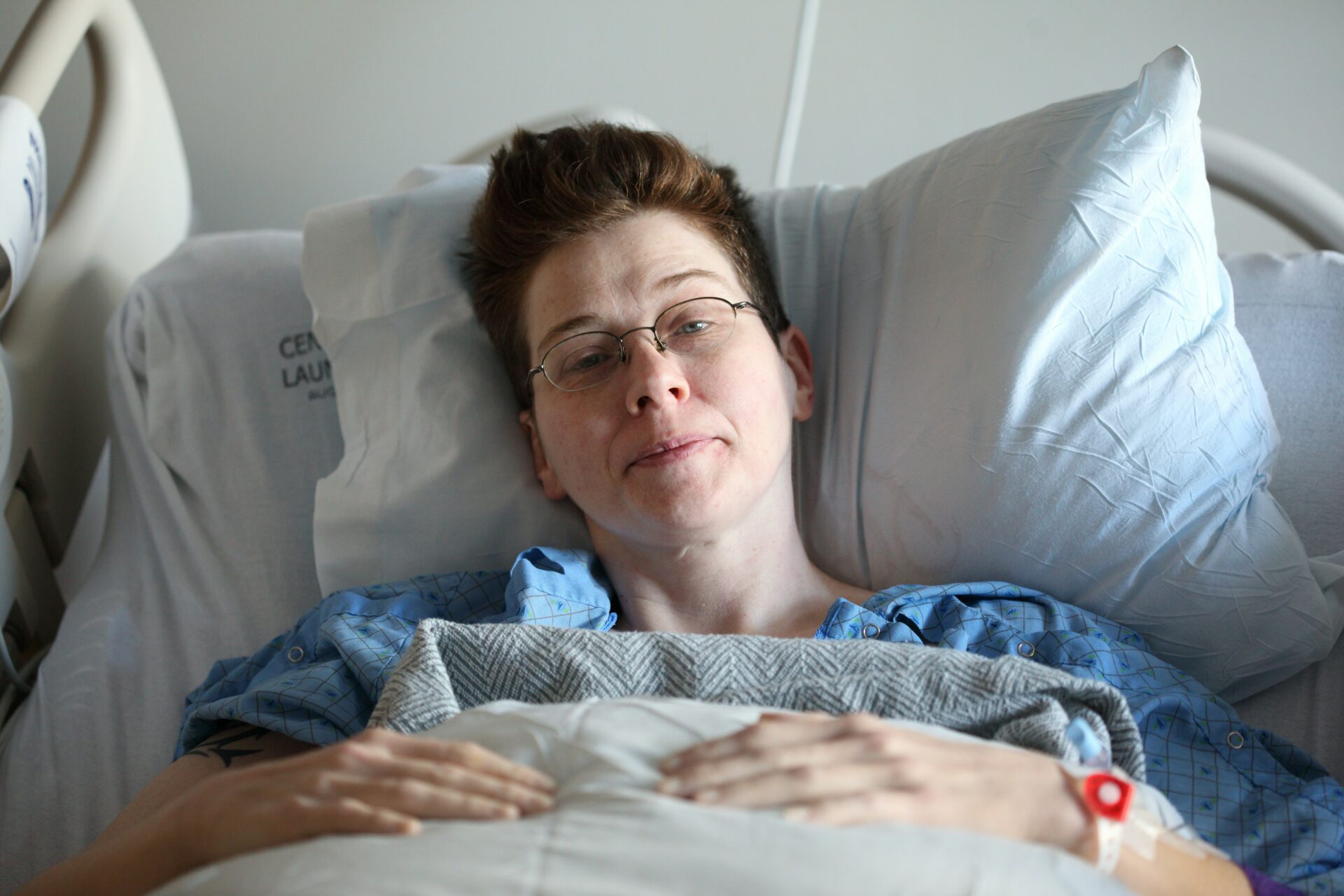
CIRCE welcomes collaboration across research, healthcare, industry, patient organizations, and the public sector. Whether you are a researcher, clinician, student, policymaker, or community partner, we invite you to engage with our network through collaborative projects, seminars, training opportunities, and public outreach activities.

Strengthening knowledge exchange between researchers, healthcare professionals, patients, and society.
Combining clinical, biological, imaging, and population data to support more precise and effective cancer care.
Examining how social, economic, demographic, and geographic factors influence cancer outcomes and access to care.

Improving mental health, psychosocial support, rehabilitation, and long-term wellbeing for patients and families.

Investigating why treatments affect patients differently and how care can be tailored to improve outcomes and reduce side effects.
Understanding how genetic, environmental, lifestyle, and social factors influence cancer risk and prevention opportunities.